
About All Tours From Cusco ToursHiking ToursInca Trail ToursFrom Lima ToursPrivate ToursSacred Valley ToursAnd Rainbow Mountain ToursAnd Lake Titicaca Tours2-Day Tours Directions Hours & Fees
Find Tours 
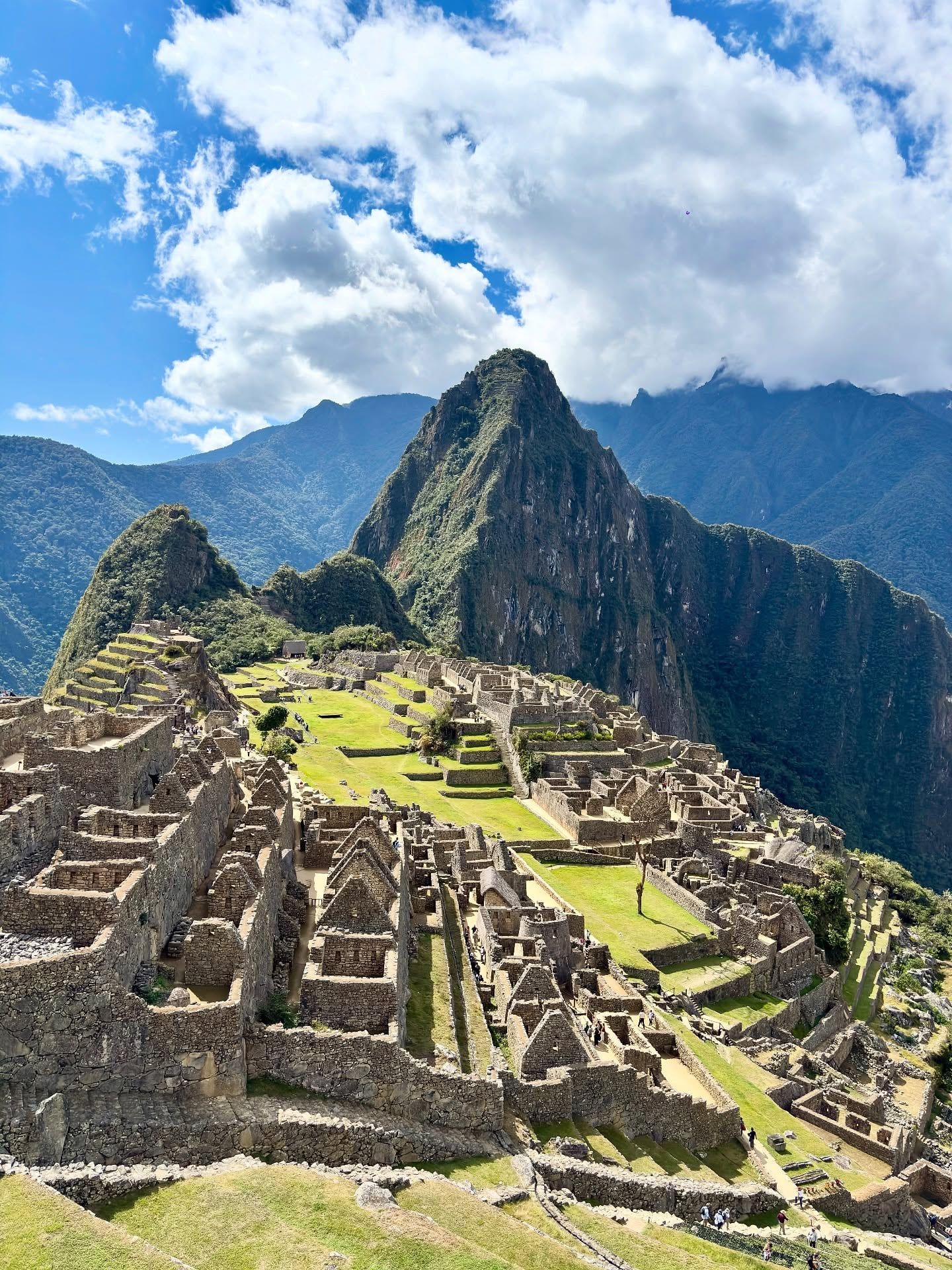
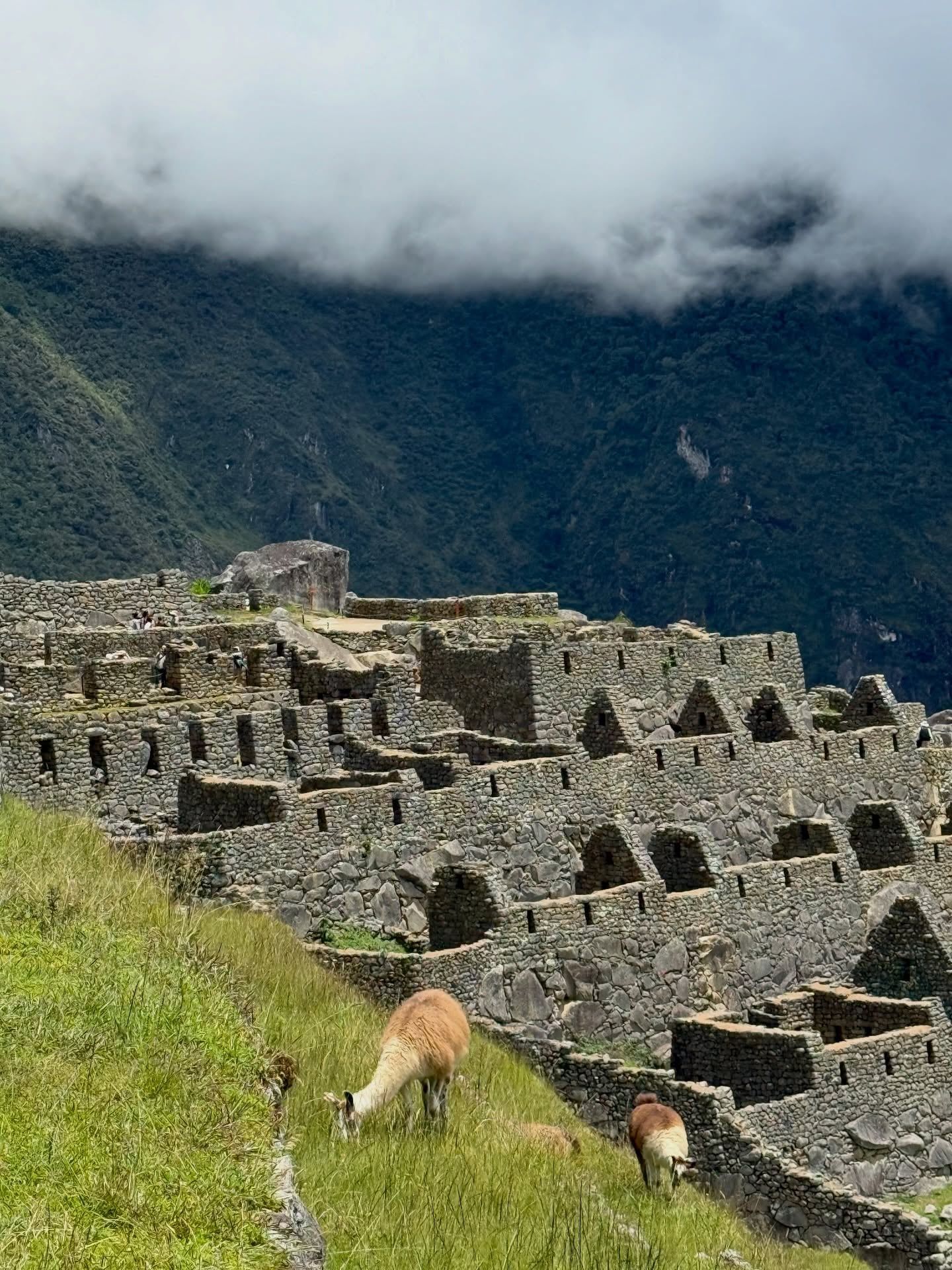
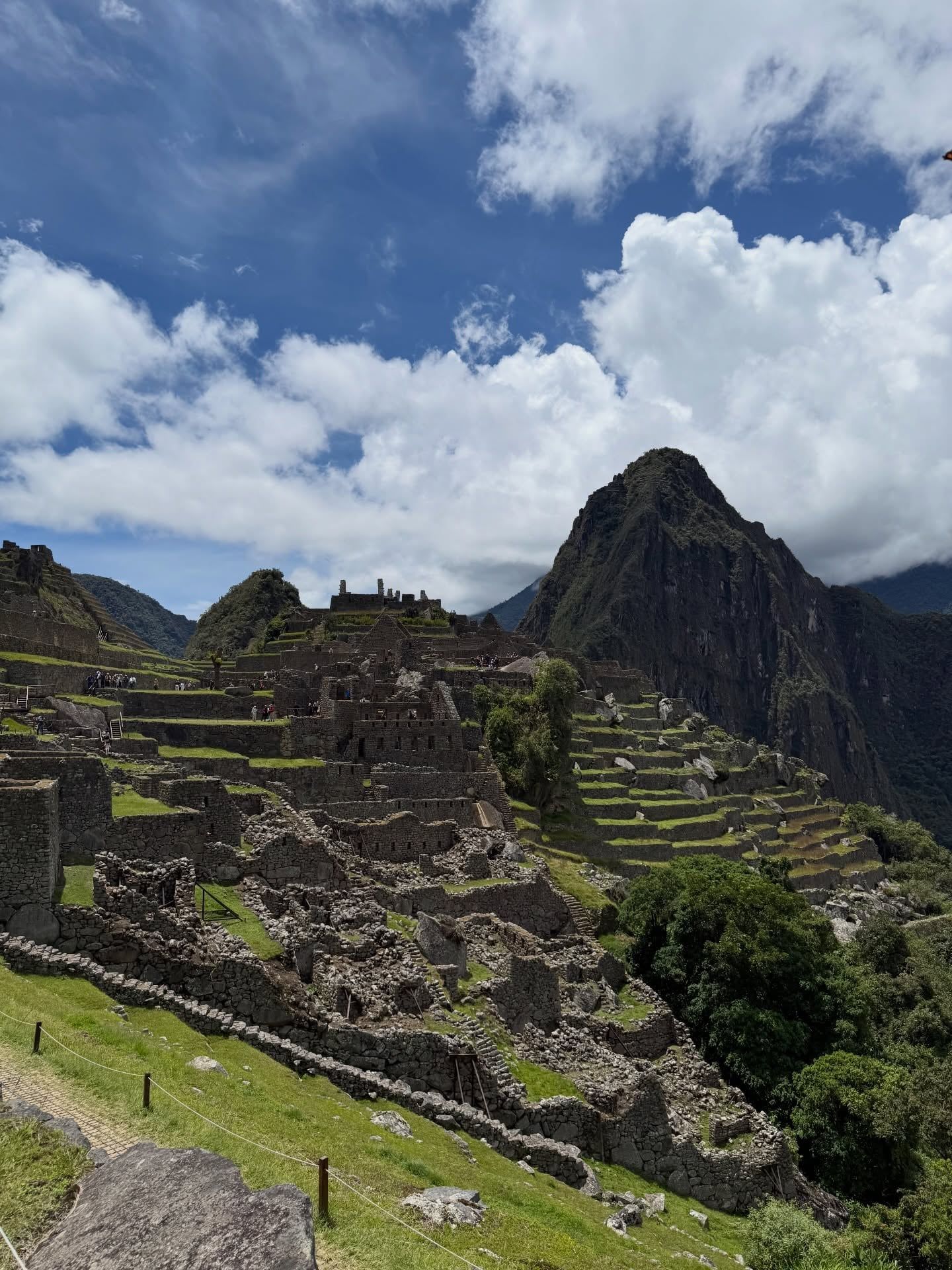
Built around 1450 under Emperor Pachacuti, Machu Picchu is an Inca citadel situated 2,430 meters above the Urubamba River. Visitors walking through this 32,592-hectare mountain sanctuary can examine massive agricultural terraces, the semicircular Temple of the Sun, and the Intihuatana astronomical clock.
Find Guided ToursMachu Picchu is a 15th-century Inca citadel located in the Cusco region of southern Peru. Situated on a mountain ridge above the Urubamba River, the site sits on the Vilcabamba Batholith, a mass of magmatic rocks on the eastern side of the Andes Mountains. At an elevation of 2,430 meters (7,970 feet), the archaeological complex occupies a space between the peaks of Machu Picchu and Huayna Picchu. Known as "La Ciudadela," it is both a UNESCO World Heritage Site and one of the New Seven Wonders of the Modern World.
The site stands as the most significant tangible legacy of the Inca civilization. It demonstrates their impressive engineering skills and a harmonious relationship with the dramatic mountain landscape. The surrounding Historic Sanctuary covers 32,592 hectares of mountain slopes, peaks, and valleys that transition into the Amazon Basin. This protected area shelters a remarkably diverse array of microclimates and habitats, supporting more than 420 bird species of global significance for biodiversity conservation.
Construction of the citadel took place around 1450 to 1470 under the rule of Inca emperor Pachacuti Inca Yupanqui. During its peak, the complex served as a royal estate and a sacred religious site. The Incas abandoned the settlement less than 100 years later, between 1532 and 1565, coinciding with the Spanish conquest of the Inca Empire.
Because the Spanish conquistadors never found the site, Machu Picchu escaped the destruction that befell many other Inca settlements. The ruins remained hidden to the outside world for centuries. Local figures like Agustín Lizárraga visited the area in 1902. However, the citadel was formally made known to the global public in 1911 by American explorer Hiram Bingham.

Discover the full history and cultural significance on our About page.
Scale the challenging, exposed stone stairs built directly into the mountain face of Huayna Picchu. Rising steeply behind the main archaeological complex, this climb rewards hikers with a thrilling bird's-eye perspective of the 15th-century citadel and the river valley below.
Built directly onto a massive natural rock formation, this sacred semicircular temple highlights advanced Inca masonry from the 1450s. The perfectly carved stone walls feature windows precisely aligned with the sun's movements during the winter solstice, demonstrating deep astronomical knowledge.
Stand on the ancient agricultural terraces to capture the classic panoramic view of the entire 32,592-hectare Historic Sanctuary. Framed by the towering peak of Huayna Picchu, this iconic vantage point allows you to feel the mountain breeze and watch the morning mist clear over the stone ruins.
Summit the small peak as a less strenuous alternative to the main mountains. This 40 to 60-minute hike reaches an altitude of 2,497 meters above sea level. It provides elevated views of the surrounding ruins without the intense physical demand of the steeper neighboring trails.
Hand-picked tours with free cancellation and verified reviews
 Free Cancellation
  Free Cancellation 16h


 3h
3h  Free Cancellation 2h 30min
  4h
4h The optimal time to visit Machu Picchu is during the dry season from May to October. These months provide clear skies and safe walking conditions, though daily visitor capacity reaches 4,500 during peak periods.
September and October offer dry days and clear skies ideal for photography. November marks the beginning of the wet season, bringing heavy mist and an increased risk of slippery stone pathways.
This is the peak of the wet season, characterized by heavy rainfall that can cause travel delays, flooding, and landslides. Trails are often obscured by rain, making conditions hazardous.
March continues the wet season with heavy rain and slippery steps. By May, the dry season begins, bringing a transition to clear skies, dry paths, and optimal visiting conditions.
Falling entirely within the dry season, these months provide the most reliable weather with clear skies and safe, dry steps. This is peak season, reaching the 4,500 daily visitor capacity.
Machu Picchu is open daily from 06:00 to 17:30. The final entry slot begins at 15:00. Visitors are strictly limited to their designated entry times, though a tolerance period of 30 minutes applies during the low season and 45 minutes in the high season. The Manuel Chávez Ballón on-site museum operates separately from 09:00 to 16:00.
| Category | Price |
|---|---|
| Standard Adult | 152.5 soles (approximately $40 USD) |
Entrance tickets are strictly timed, linked to specific circuits, and cap general visits at 2.5 hours. Tickets must be booked online well in advance, especially during the June to October high season. Up to 1,000 tickets are sold daily in person at Aguas Calientes, but availability is not guaranteed. An original physical passport is mandatory for entry.
For complete schedules and ticket prices, visit our Hours & Fees page.
Reaching the citadel typically involves traveling to Aguas Calientes via train or a van-and-hike combination. From this gateway town, visitors complete the final leg by taking a dedicated shuttle bus up the mountain.
PeruRail and Inca Rail operate regular services from Cusco or Ollantaytambo directly to Aguas Calientes. Standard economy trains, such as the Expedition or Voyager, generally run between $140 and $180 for a round-trip ticket. Travelers seeking premium amenities can book luxury options like the Hiram Bingham, which cost $500 to $600. This route provides reliable transit through the Andes.
Consettur operates the official shuttle service from Aguas Calientes up to the main archaeological entrance. Departing every 5 to 15 minutes between 05:30 and 15:30, these buses climb a steep, winding dirt road covering a six-kilometer distance. Discounted tickets are available for foreign children under 12 at $12 round-trip, providing an efficient ascent up the mountain.
Budget travelers can take a shared van departing from Cusco between 7:00 AM and 8:00 AM, which drives six to seven hours to the Hidroeléctrica station. From this drop-off point, visitors must complete a 10-kilometer hike along the railway tracks. This final walking segment takes three to four hours to reach Aguas Calientes.
For detailed transport options and routes, visit our Directions page.
Once you exit the main gate of the archaeological site, re-entry is strictly prohibited under any circumstances. You cannot step out to use the facilities and return to your circuit. Ensure you use the restrooms located outside the entrance before scanning your ticket.
Park guards will not accept digital copies or photos of your identification at the entrance gate. You must present your original physical passport alongside your printed, timed-entry ticket. Failing to produce the physical document will result in denied access to the site.
Backpacks exceeding 40 by 35 by 20 centimeters must be left in storage lockers at the entrance. Pack only essential items like reusable water bottles and leave all camera stabilizers behind. Drones are entirely banned, and violators face equipment confiscation alongside fines up to $10,000.
The site is located in a cloud forest where weather conditions change rapidly, bringing sudden heavy downpours. Umbrellas and parasols are strictly banned inside the archaeological area. Bring a lightweight, waterproof rain poncho or jacket to stay dry without violating park rules.
Navigating the uneven terrain and steep stone steps requires caution, especially during the wet season. If you need walking assistance, you must fit your trekking poles with protective rubber tips. Park guards will confiscate any metal-tipped poles to prevent damage to the ancient stone pathways.
Flying directly from sea level to Cusco at 3,400 meters poses a severe risk of altitude sickness. Spend at least two to three days resting at a lower elevation in the Sacred Valley before attempting your visit. This gradual transition helps prevent headaches, dizziness, and severe fatigue.
Located near the base of the mountain, this museum houses over 250 recovered archaeological pieces, including ceramics and copper tools. It provides crucial context regarding the complex engineering and construction techniques of the citadel.
This ecological space sits a short walk from Aguas Calientes along the railway tracks. It features botanical gardens, cascading waterfalls, and a butterfly-rich habitat. The site serves as a quiet retreat after exploring the ruins.
This historic town functions as a major train station hub and maintains its original Inca street layouts. Travelers can explore the massive fortress terraces and observe authentic Andean culture before boarding their train to the citadel.
Read what travelers share about their experience visiting Machu Picchu — from practical tips to personal highlights.


The standard independent adult entrance ticket costs 152.5 soles, or approximately $40 USD. You must book these online well in advance through the official government website or purchase one of the 1,000 tickets available daily in person at Aguas Calientes.
The archaeological site is open daily from 06:00 to 17:30, with the last entry slot starting at 15:00. General admission tickets limit your visit to a maximum of 2.5 hours, though visitors with tickets for surrounding peaks like Huayna Picchu are permitted to stay longer.
Most travelers take a train from Cusco or Ollantaytambo to Aguas Calientes, which takes about three and a half hours and costs between $80 and $500 USD round-trip. From Aguas Calientes, you take a 30-minute Consettur shuttle bus up a 6-kilometer dirt road to the main entrance, costing $24 USD round-trip for foreign adults.
Yes, budget travelers can take a shared van from Cusco to the Hidroeléctrica station, which involves a six to seven-hour drive. From there, you hike 10 kilometers along the train tracks to Aguas Calientes, taking three to four hours and costing $20 to $30 USD round-trip.
The dry season from May to October is the most popular time to visit, offering clear skies and dry stone steps. From November to March, heavy rainfall can cause travel delays, landslides, and slippery, hazardous trails.
You cannot bring backpacks larger than 40x35x20 centimeters, umbrellas, tripods, or walking sticks with metal tips. Drones are strictly banned across the entire 32,592-hectare Historic Sanctuary, and violators face equipment confiscation and fines up to $10,000 USD.
Approximately 60% of the main citadel is wheelchair accessible through designated routes and viewing platforms like the Guardhouse Viewpoint. However, standard trains and shuttle buses are not wheelchair accessible, so visitors often use specialized companies that provide all-terrain wheelchairs and trained porters.
Yes, you must present your original physical passport along with your printed ticket at the entrance gate. Digital copies are not accepted, and re-entry is strictly prohibited once you exit the main gate.
Browse verified tours with free cancellation and instant confirmation.
Find Tours